A Camera Is More Than Just Gear — It’s a Superpower for Dynamic Creatives
June 10 2025
Journals
The Tool's Power Lies in Its Vision
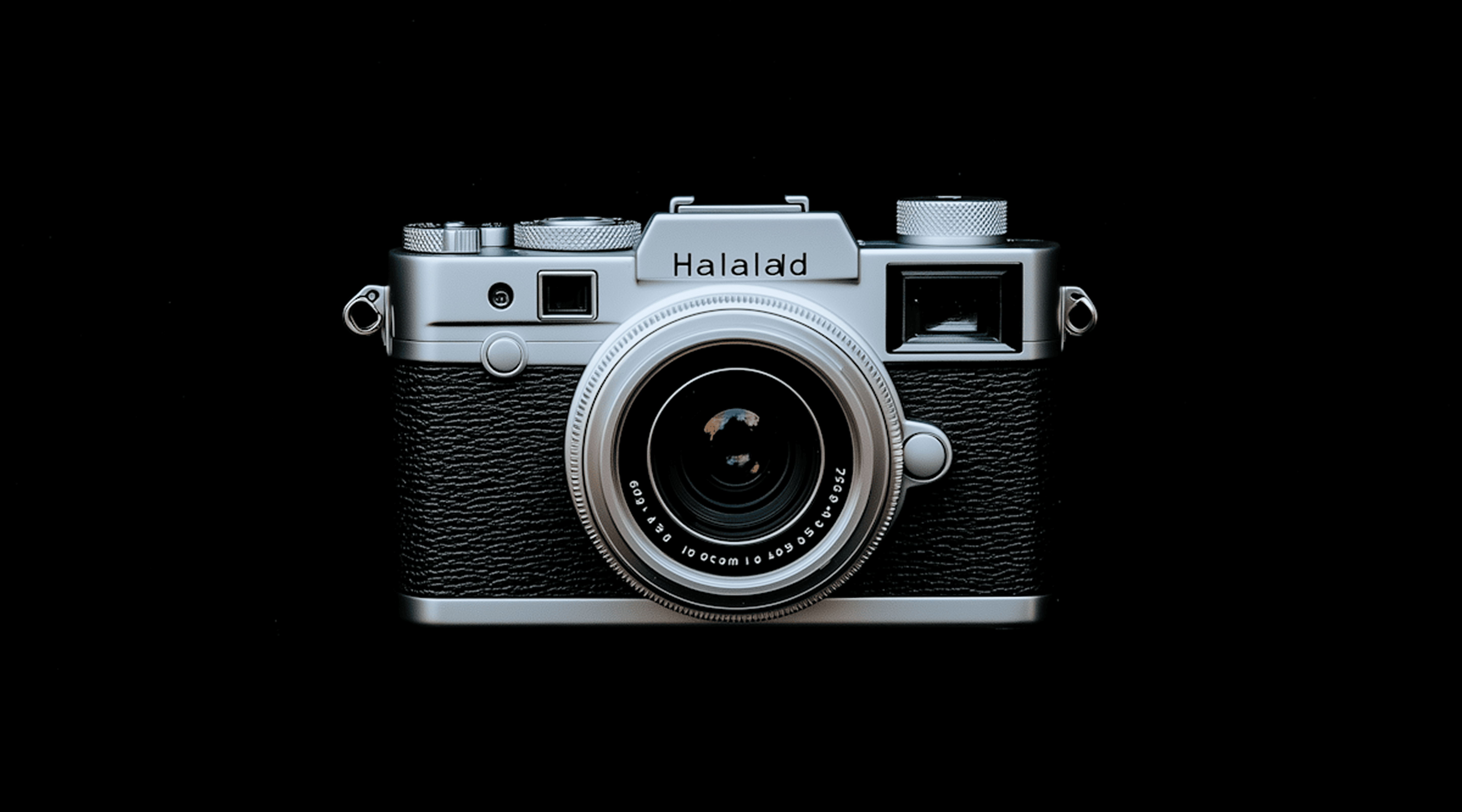
It’s easy to be drawn into the allure of the latest cameras, lenses, and accessories. But even the most advanced gear cannot replace imagination. Vision determines how tools are used — not the other way around. A simple frame, seen through a thoughtful eye, can be more powerful than an image taken with a $5,000 setup but no sense of story. The true strength of your camera lies in your ability to guide it. Every angle, every lens choice, every exposure setting reflects a decision rooted in meaning. You don’t just take photos — you compose experiences. The lens becomes your way of speaking without words, of revealing truths invisible to the naked eye. When you understand your camera’s limits, you also discover your own creativity. That’s where artistry begins — not in perfect clarity or flawless color, but in the connection between what you see and what you feel.
Emotion Over Perfection
Some of the world’s most timeless photographs are technically imperfect — slightly blurred, underexposed, or grainy — yet unforgettable. Why? Because emotion always outweighs precision. A creative’s true strength is knowing when to let go of technicality to embrace authenticity. When you treat your camera like an emotional translator, every shot becomes personal. The sound of the shutter, the anticipation of light, the unpredictability of moments — they all add humanity to your work. This is where the distinction between a photographer and a storyteller becomes clear: one captures what happens, the other captures why it matters. At BraceLend, we encourage artists to experiment with imperfection. Let spontaneity guide your process. The rawness in a photograph often speaks louder than flawless execution — because real emotion doesn’t need retouching.
The Dialogue Between Artist and Machine
Every photographer develops a rhythm — a silent language between human intuition and mechanical precision. Your camera doesn’t just record; it responds. The more you shoot, the more that dialogue deepens. You begin to anticipate how the camera reacts to light, movement, and mood. It becomes part of you. In this relationship, trust matters more than control. You learn to listen to the device, to feel when it’s time to adjust or when it’s time to simply click. This dance between instinct and technique defines a mature creative process — one that flows naturally and effortlessly. Ultimately, your camera is not just a piece of equipment — it’s your voice. It transforms vision into visual language, emotion into permanence. Treat it with intention, and it will never fail to speak on your behalf.
Closing Thought
Gear evolves. Technology advances. But creativity — that’s eternal. Your camera is only as powerful as the story you tell with it. Make yours unforgettable.
